1
Winter · Dec. — Feb.
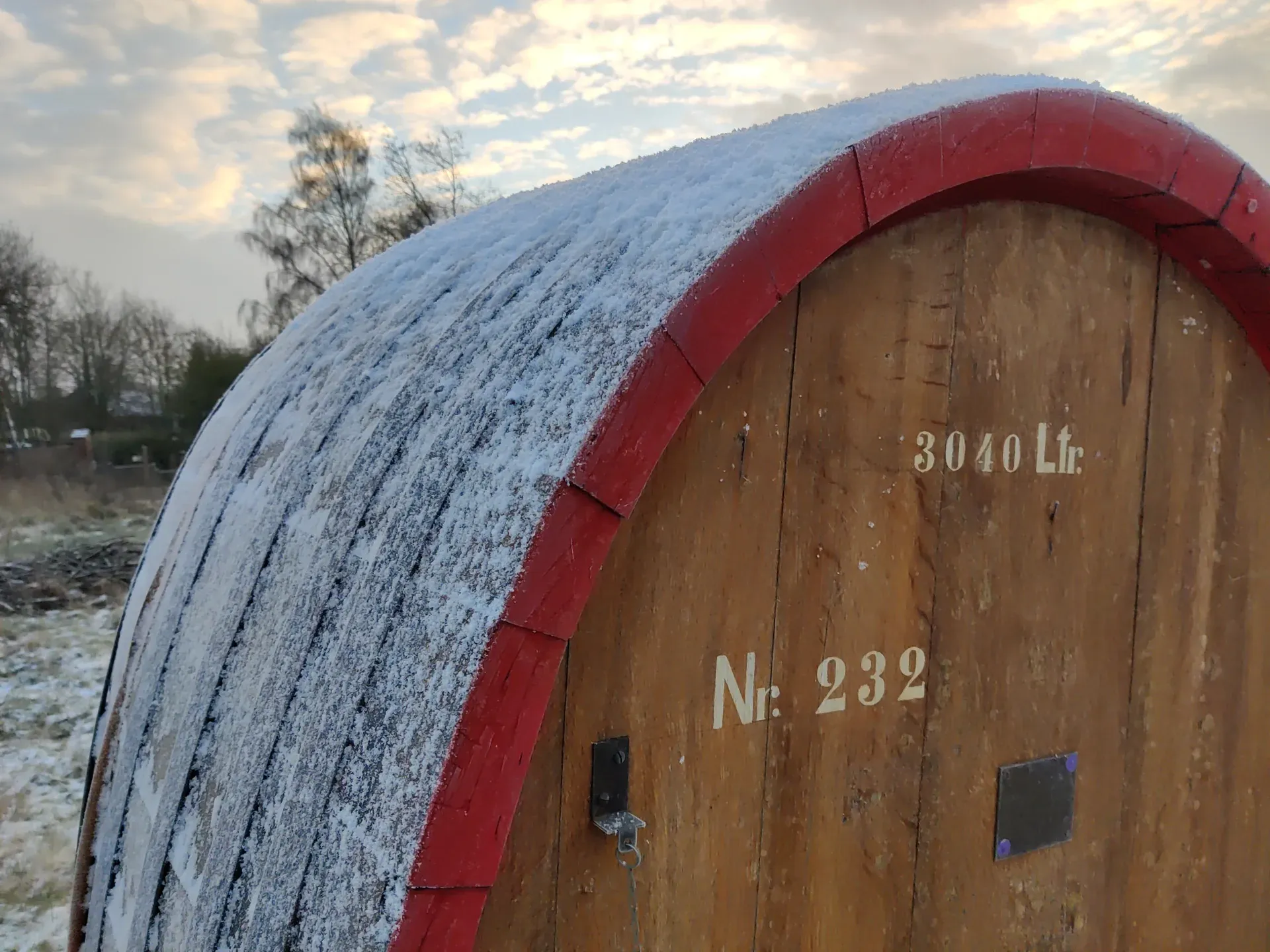
The casks lie dormant
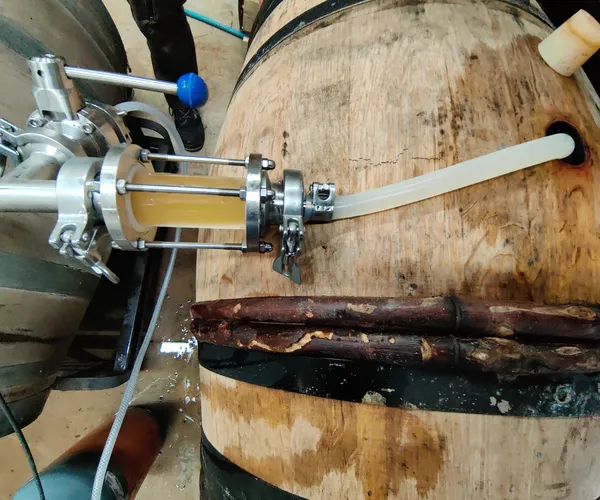
The cold puts the casks to sleep. Meanwhile, we brew the young beers that will go into the blends.
You must be over 18 to enter this website.
Alcohol abuse is dangerous for your health.

Where part of our brews spends months in wood before being blended.
Nothing here
is in a hurry.
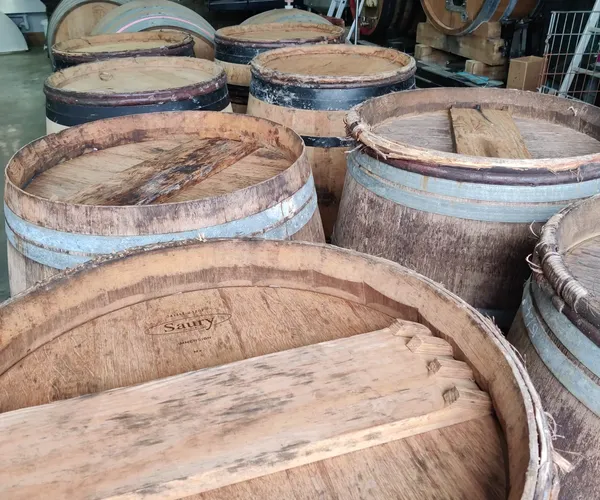
Filling casks, letting time work, tasting, then blending: in the Nord and the Pas-de-Calais, this was the everyday trade of brewers and tavern keepers for centuries.
We have taken it up again.
For our beers as for our ciders.
From the departmental archives of the Pas-de-Calais and nineteenth-century brewing manuals.
11th–12th c.
The abbeys of Saint-Vaast, in Arras, and Saint-Bertin, in Saint-Omer, brew the region's first beers.
16th c.
The first master brewers appear in the records. Lille, Douai, Arras and Calais brew keeping beers.
1664
The Brasserie de Lille, the region's first lasting commercial brewery. Beer becomes the drink of the taverns.
1871
The Livre de poche de l'apprêteur de bières describes the art of blending young and old beers.
1900
More than 2,600 breweries in the region, nearly all family-run, keeping their beers in cool cellars.
Today
At Les Vents Sauvages, we fill casks again, we blend, and we press the orchard's apples.
Beers and ciders share the same cellar and the same rhythm: apples in autumn, the winter cold that slows everything down, the blending, then the bottling. Brewers in the region already kept this calendar in the 11th and 12th centuries.
The cold puts the casks to sleep. Meanwhile, we brew the young beers that will go into the blends.
The casks wake up: it's time for our apprêts. We marry young and old beers until the whole thing stands up on its own.
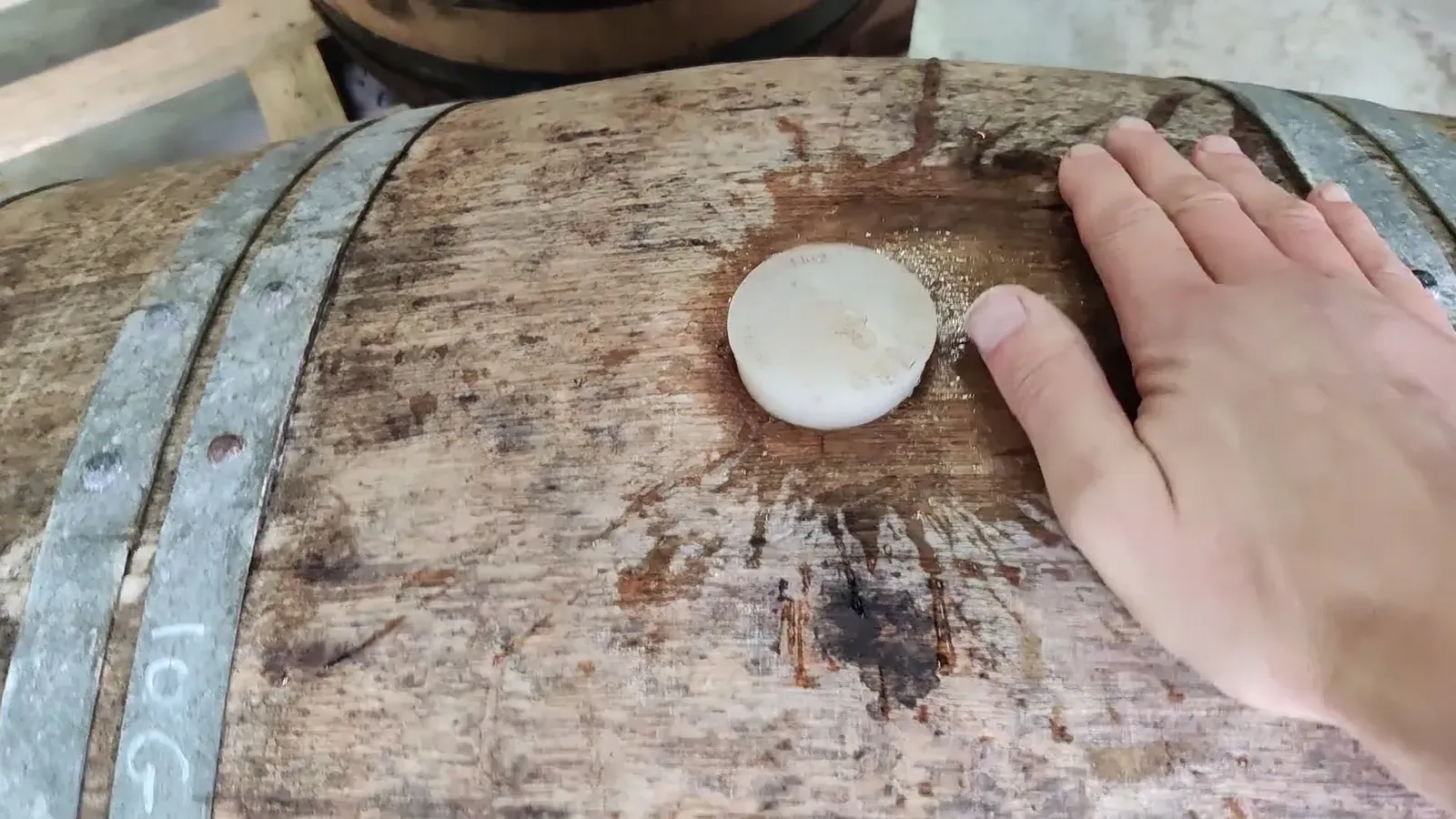
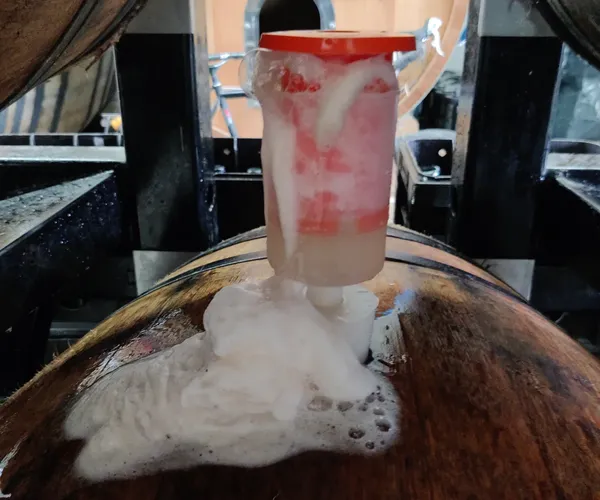
With the heat, the yeasts and bacteria in the wood get to work: the beer sours and gains complexity.
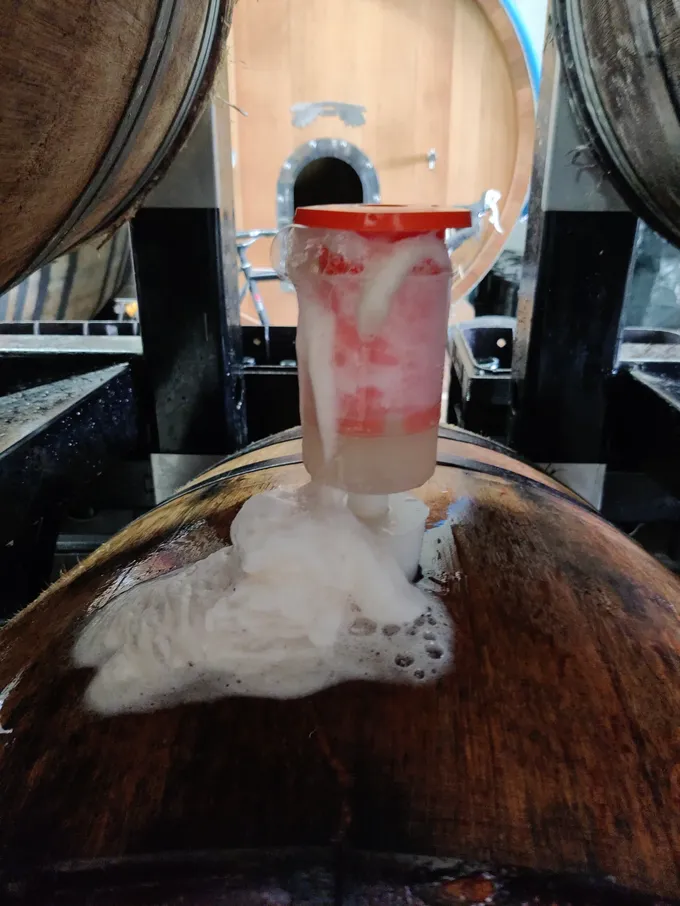
The season's fruit macerates in the casks and the beers mature.
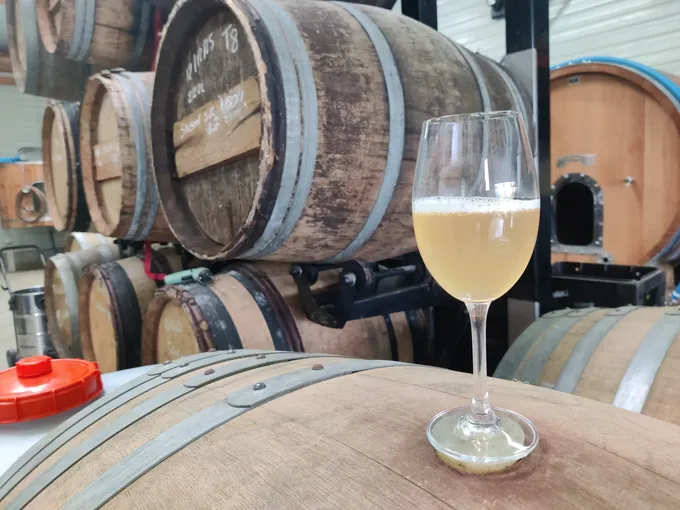
We gather the apples of the Attin orchard and press them. The juice goes straight into casks.
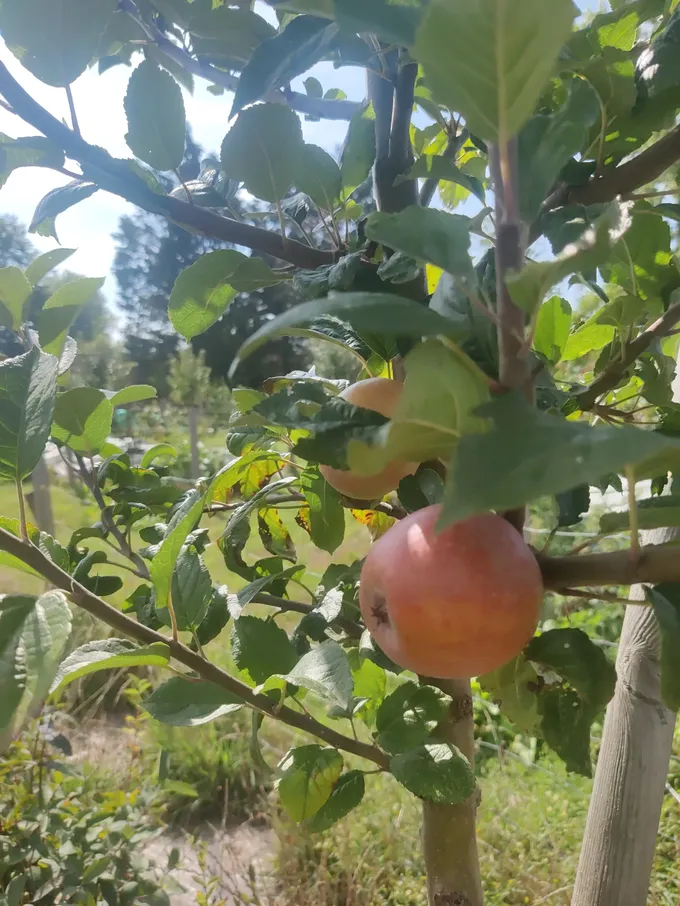
In the cold, fermentation slows down and can last all winter. That is what keeps the cider's fruit.
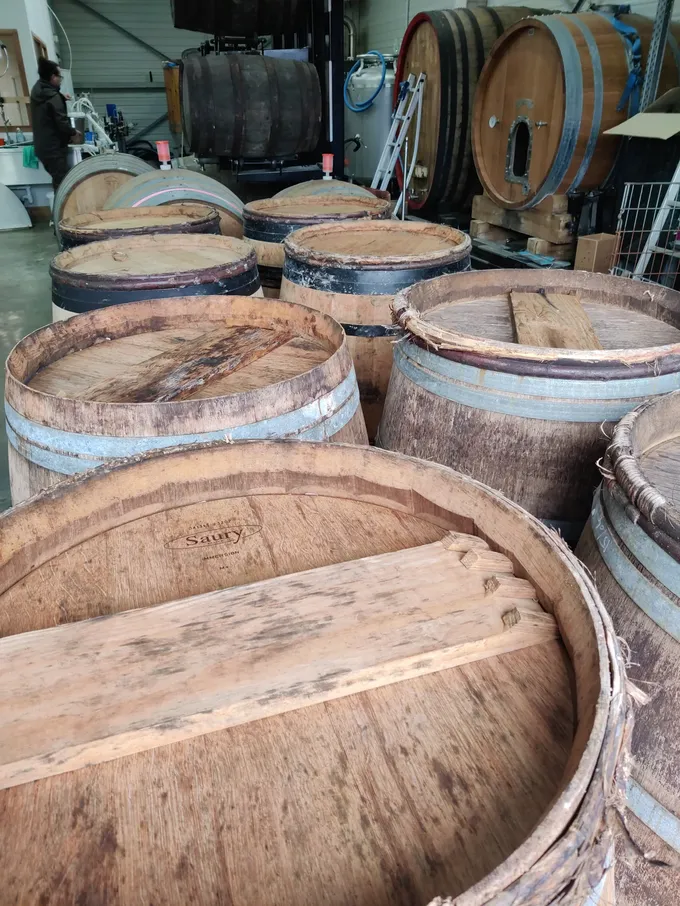
With the heat, Brettanomyces round out the bouquet, and malolactic fermentation softens the acidity.
In September, just before the new harvest, last year's cider goes into bottles.
In the Hauts-de-France, blending beers had a name: l’apprêt. Every tavern served its own beer, and every brewer had their own way of composing it. We do the same: each season we taste every cask, then blend young and old beers until the whole thing stands up on its own.
Marrying several beers of different ages and tastes, in suitable quantities and qualities, so as to always give the blend the same stamp of strength and flavour.
Le Moniteur de la Brasserie, 1871
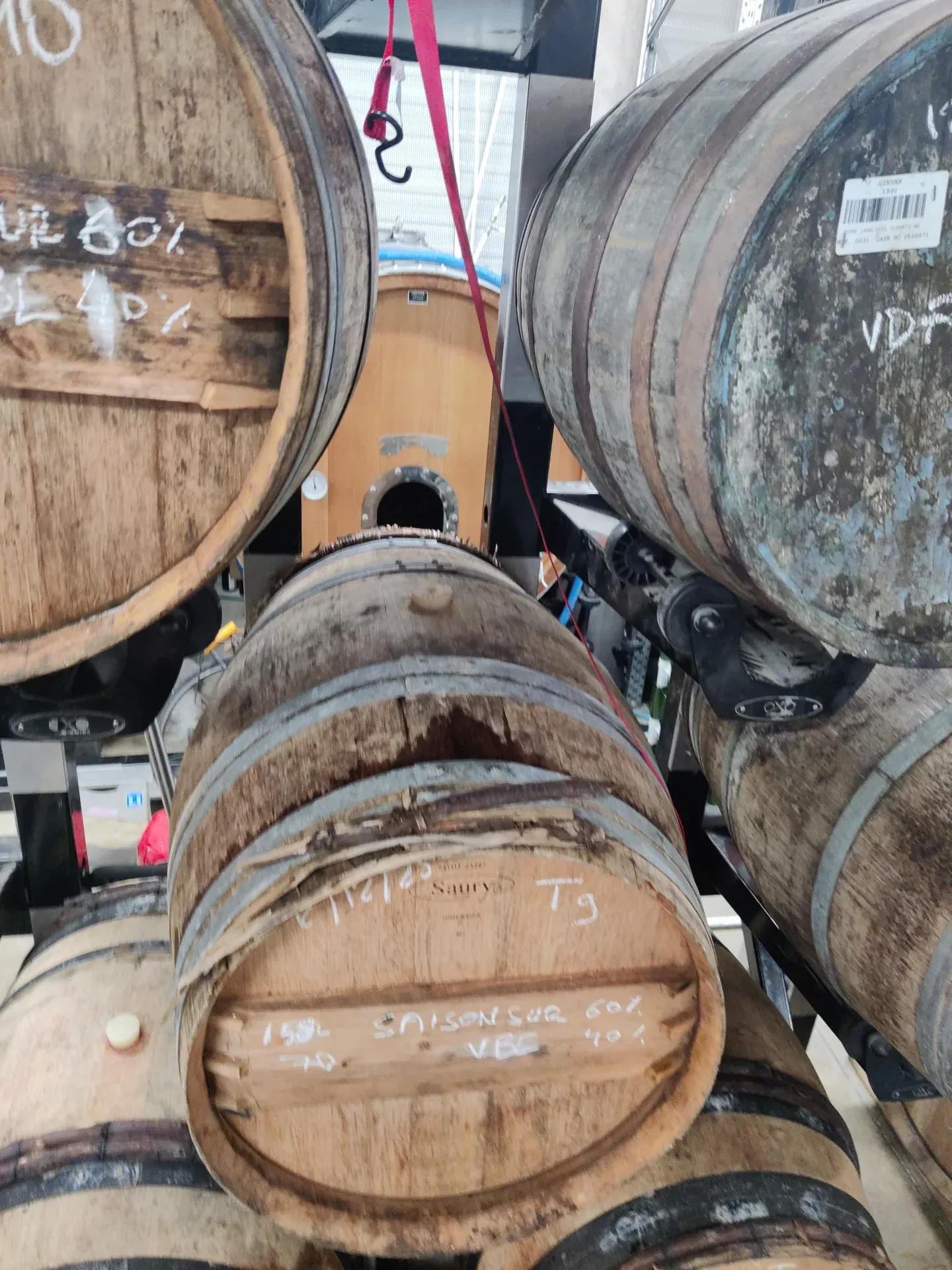
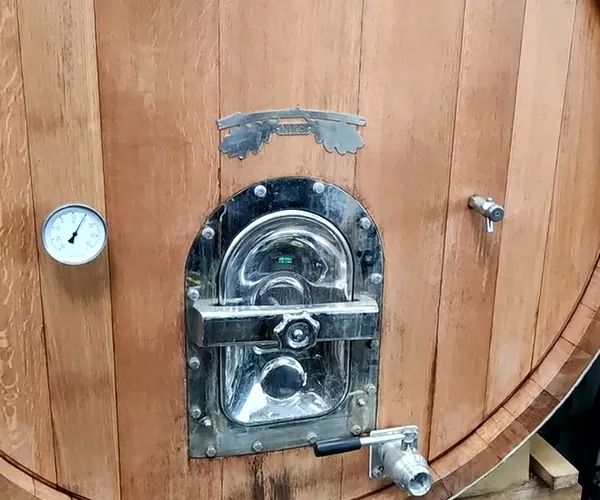
Blends and keeping beers, raised in casks and foudres.
See the beersSee the casks and foudres up close, on a tour of the brewery.
Book a visit